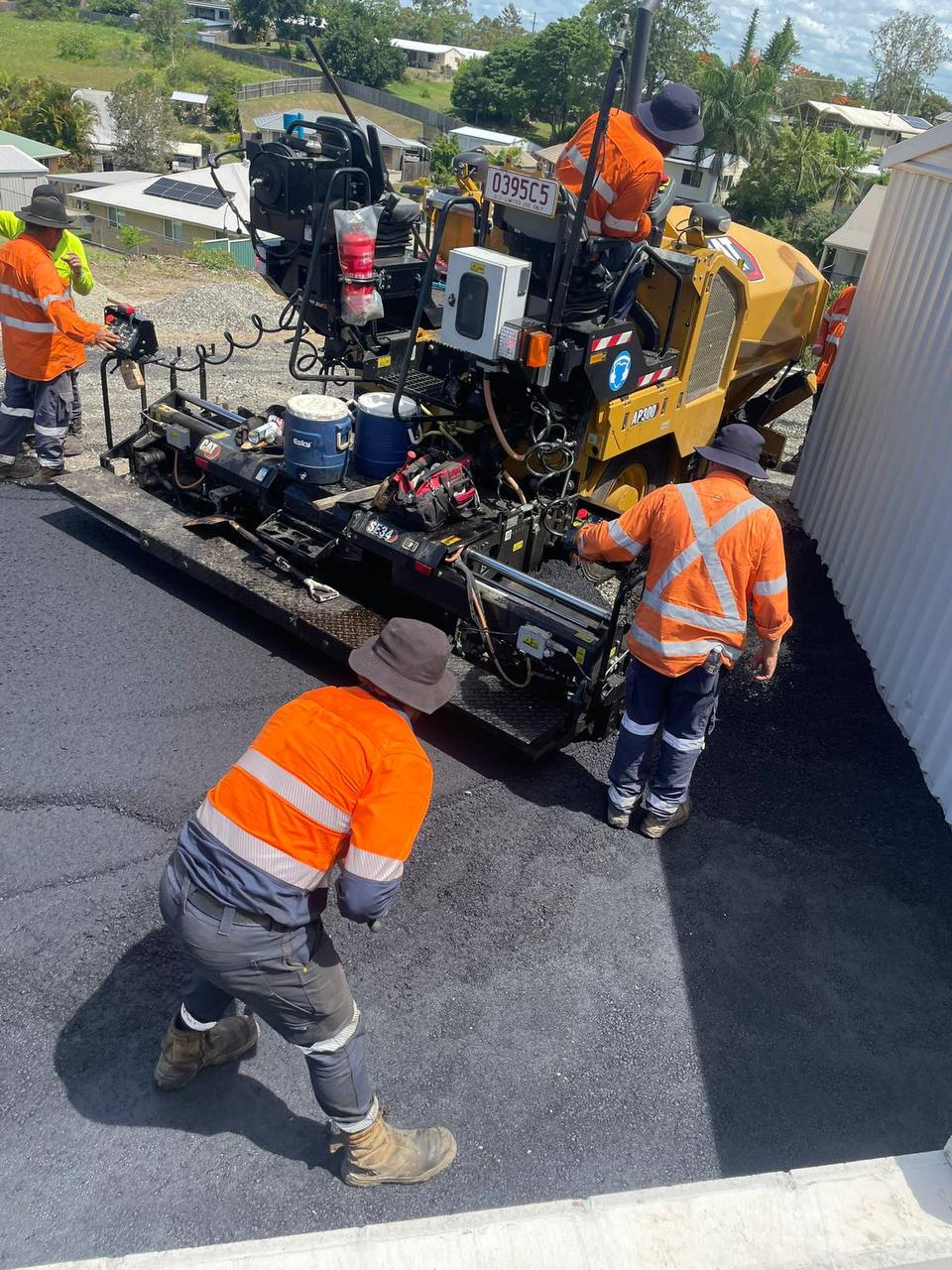
Potholes can begin as relatively small defects, but they rarely remain that way when exposed to continued traffic and weather. Once an asphalt or bitumen surface has broken apart, the damaged area becomes increasingly vulnerable to water penetration, vehicle loading and further loss of material. What initially appears to be an isolated maintenance issue can eventually affect a much larger section of pavement.
For property owners and businesses in Springfield Lakes, QLD, dealing with potholes promptly is an important part of maintaining driveways, access roads, car parks and other paved areas. Early repairs can help preserve the surrounding pavement and prevent deterioration from progressing deeper into the structure.
How Does a Pothole Develop?
Potholes are usually the result of a gradual deterioration process.
Small cracks or weaknesses develop in the pavement and allow moisture to reach the layers underneath. As the supporting material loses stability, traffic continues placing pressure on the affected area. Eventually, the asphalt breaks apart and loose material is displaced.
Once a hole has formed, the pavement is even more exposed to the conditions that caused the original deterioration.
The Pothole Usually Becomes Larger
Leaving a pothole untreated gives traffic more time to damage its exposed edges.
Every vehicle travelling across or alongside the defect can loosen additional material. The sides of the pothole begin breaking away, increasing both its width and depth.
As deterioration spreads, pavement that was previously sound can become affected. An early localised repair can therefore develop into a much larger maintenance requirement when action is delayed.
Water Can Reach Deeper into the Pavement
A sound asphalt surface acts as a protective layer over the pavement structure. A pothole creates a direct opening through that protection.
During rainfall, water can collect inside the damaged area and infiltrate the base beneath it. If these supporting layers become weakened, they may no longer distribute vehicle loads effectively.
This can lead to further movement and deterioration around the original pothole.
Surrounding Cracks Can Begin to Develop
A pothole does not always remain an isolated defect. As the pavement around it loses support, additional cracking may begin appearing nearby.
These cracks create further pathways for moisture and expand the area exposed to deterioration.
Over time, what began as one damaged section can develop into a network of:
- Cracks
- Loose asphalt
- Depressions
- Broken edges
- Additional potholes
Repairing the original defect early can help interrupt this progression.
Vehicle Traffic Accelerates the Damage
Potholes are particularly vulnerable where vehicles regularly follow the same path.
Tyres repeatedly strike the edges of the damaged pavement, while vehicle weight places pressure on the weakened structure underneath. Turning, braking and manoeuvring can create additional stress in frequently used areas.
This means potholes on busy driveways, commercial access areas and car parks can deteriorate particularly quickly if they are not addressed.
Driving Becomes Rougher and Less Predictable
As potholes become deeper or more widespread, the quality of the driving surface declines.
Drivers may begin braking sharply or altering their path to avoid damaged sections. Larger potholes also create more noticeable impacts as vehicles pass over them.
Maintaining an even pavement helps provide smoother, more predictable vehicle movement throughout a property.
Potholes Can Contribute to Vehicle Wear
A severely deteriorated surface places unnecessary stress on vehicles using it regularly.
Repeated pothole impacts can place additional strain on components such as:
- Tyres
- Wheels
- Suspension
- Steering components
For properties experiencing regular vehicle movements, maintaining a smooth surface helps reduce these unnecessary impacts while improving everyday access.
Pedestrian Areas Can Also Be Affected
Potholes are not solely a concern for vehicles. Where pedestrians cross car parks, driveways or access areas, uneven pavement can make the surface more difficult to navigate.
As damaged areas expand and loose material accumulates around them, the pavement becomes increasingly inconsistent.
Timely repairs help maintain a more usable surface for everyone accessing the property.
Drainage Problems Can Become Worse
Potholes frequently collect water after rainfall. If the pavement already has poor falls or drainage issues, the damaged area may remain wet for extended periods.
Persistent moisture can accelerate the breakdown of the surrounding pavement and supporting base.
Where potholes repeatedly develop in the same location, professional assessment should consider drainage rather than simply repairing the visible hole each time.
Repeated Potholes May Indicate Base Failure
If potholes continue returning after previous repairs, the problem may be deeper than the surface.
Possible underlying causes include:
- Weak base materials
- Poor compaction
- Persistent moisture
- Pavement movement
- Inadequate drainage
- Traffic loads exceeding the pavement’s capacity
In these circumstances, simply filling the pothole may not provide a lasting solution. The affected pavement may need to be opened and the underlying weakness corrected.
Early Repairs Help Preserve the Existing Pavement
One of the main benefits of timely pothole repairs is the ability to preserve pavement that remains in good condition.
When deterioration is confined to a small area, damaged material can often be removed and the section repaired without disturbing the wider surface.
Allowing deterioration to spread reduces the amount of sound pavement that can be retained and may eventually make more extensive resurfacing necessary.
When Is Resurfacing Worth Considering?
Individual potholes do not automatically mean that an entire asphalt surface needs resurfacing.
However, resurfacing may become appropriate when potholes are accompanied by widespread deterioration such as:
- Extensive cracking
- Numerous previous patches
- General surface breakdown
- Multiple potholes
- Rough or uneven pavement
- Widespread weathering
If the underlying structure remains suitable, resurfacing can restore a more consistent surface across the affected area.
Where the base has significantly deteriorated, deeper repairs or reconstruction may be required first.
Why Professional Pothole Repair Matters
A successful pothole repair involves more than placing material into the opening.
Experienced asphalt contractors assess the condition of the surrounding pavement and determine how far the deterioration extends. Unsound material may need to be removed before the area is properly prepared and restored.
Professional assessment can also identify whether drainage, base instability or another underlying issue contributed to the failure.
Addressing the cause as well as the visible damage provides a much stronger basis for dependable long-term performance.
Regular Inspections Can Catch Problems Earlier
Pothole prevention begins before a hole actually appears.
Property owners should watch for early warning signs such as:
- New cracks
- Loose aggregate
- Small depressions
- Crumbling pavement edges
- Water pooling
- Previously repaired areas deteriorating again
These changes can indicate that part of the pavement is beginning to weaken. Arranging attention at this stage can help prevent a small defect from becoming a substantial pothole.
Conclusion
Leaving potholes unrepaired allows water, traffic and ongoing pavement movement to accelerate deterioration. The pothole can become wider and deeper, surrounding asphalt may begin cracking, and moisture can weaken the supporting layers beneath the surface. Eventually, an issue that could have been addressed locally may contribute to deterioration across a much larger area.
Springfield Lakes Surfacing Solutions provides professional asphalt and bitumen surfacing services throughout Springfield Lakes, QLD. If potholes or other signs of pavement deterioration are developing on your property, our experienced team can assess the affected surface and recommend an appropriate repair or resurfacing solution designed to restore reliable, long-lasting performance.
Call us on: 07 4517 4097
Click here to find out more about Springfield Lakes Surfacing Solutions
Click here to complete our contact form and see how we can help with your driveways.