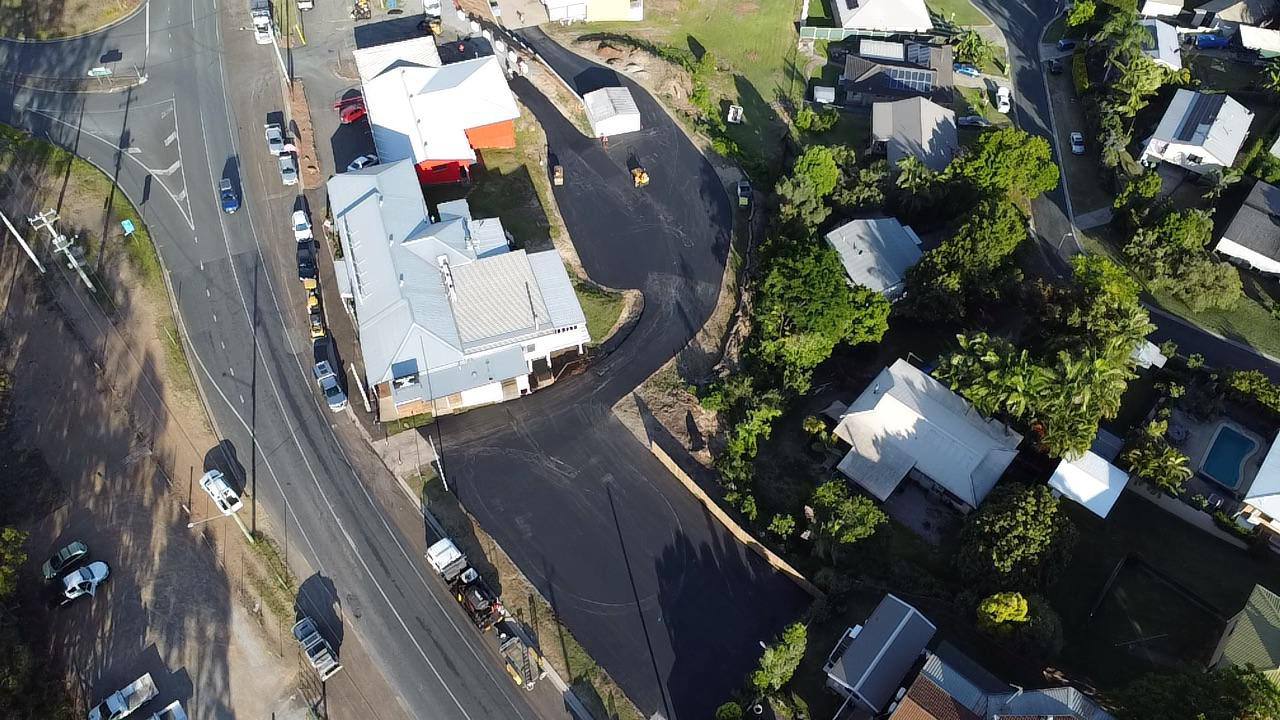
Spray and seal bitumen is a practical road surfacing solution that helps protect existing pavement, improve surface durability and maintain reliable access for vehicles. It is widely used for roads, accessways, driveways and other areas that require a durable, weather-resistant surface.
For property owners and businesses in Springfield Lakes, QLD, understanding how spray and seal bitumen works can help when choosing a suitable surfacing method. Springfield Lakes Surfacing Solutions provides surfacing services designed to meet the needs of local properties, with a focus on preparing surfaces correctly and achieving a durable, functional finish.
What Is Spray and Seal Bitumen?
Spray and seal is a bitumen-based surfacing method that involves applying a layer of bitumen binder to a prepared surface before covering it with aggregate, such as small crushed stones. The aggregate is then rolled into the binder to create a protective, textured surface.
Depending on the project requirements, the process may involve a single or double application of bitumen and aggregate. A double seal can provide additional protection and improve the overall surface structure when appropriate for the site.
Unlike asphalt, which is produced as a mixed material before being laid, spray and seal relies on the binder and aggregate bonding together on the prepared surface. This makes it a useful option for maintaining existing pavement and surfacing suitable access areas.
How Does the Spray and Seal Process Work?
Achieving a reliable spray and seal finish requires careful preparation and controlled application. Each stage contributes to the performance and longevity of the completed surface.
1. Surface Preparation
The existing surface is inspected to identify loose material, potholes, drainage concerns and areas of structural weakness. Any necessary repairs are completed before the new treatment is applied.
Proper preparation is essential because spray and seal is not designed to correct significant structural failures beneath the pavement. Addressing these issues beforehand helps the new surface bond effectively and reduces the likelihood of premature deterioration.
2. Applying the Bitumen Binder
A controlled layer of bitumen binder is sprayed across the prepared surface. The binder acts as an adhesive, helping the aggregate bond to the underlying pavement and forming a protective layer against moisture.
The application rate must suit the surface condition, aggregate size and intended use. Too little binder may result in poor stone retention, while excessive binder can contribute to surface bleeding, particularly in warm weather.
3. Spreading the Aggregate
Suitable aggregate is distributed evenly over the freshly applied bitumen. The stone size and type are selected according to the intended application and the required surface characteristics.
Uniform coverage helps create a consistent finish, supports effective bonding and reduces the risk of loose stones or uneven areas.
4. Rolling and Curing
The aggregate is rolled into the binder to establish a strong bond. The surface is then allowed to settle and cure according to the materials used and the prevailing conditions.
Traffic management during this stage is important, as premature vehicle use can disturb the aggregate and affect the final result. The surface should be ready for use only when the contractor determines that it has sufficiently stabilised.
Why Is Spray and Seal Used for Road Surfacing?
Spray and seal bitumen offers several practical advantages when the existing pavement and site conditions are suitable.
Protection Against Water Ingress
Water entering pavement layers can weaken the underlying structure and contribute to cracking, potholes and other forms of deterioration. A properly applied bitumen seal helps limit water penetration, supporting the preservation of the existing surface.
Effective drainage remains important, as standing water and unresolved drainage problems can undermine even a well-installed seal.
Improved Surface Durability
The combination of bitumen binder and aggregate creates a protective wearing surface that can withstand regular vehicle use when correctly designed and maintained. It is particularly useful for suitable existing pavements that need protection from ongoing exposure and traffic.
A Practical Maintenance Solution
Spray and seal can help extend the service life of sound existing pavement by protecting it from moisture and surface wear. Early treatment of a deteriorating but structurally suitable surface may help prevent minor defects from developing into more extensive problems.
However, it is not a substitute for rebuilding pavement that has severe cracking, widespread potholes or substantial structural movement.
Suitable Surface Texture
The aggregate creates a textured finish that can provide useful tyre grip. The final texture depends on the aggregate selected, application method and quality of installation, so the treatment should be matched to the intended traffic and site requirements.
Is Spray and Seal Suitable for Driveways in Springfield Lakes?
Spray and seal may be suitable for certain residential driveways, private accessways and other paved areas in Springfield Lakes. Its suitability depends on the existing pavement, vehicle movements, drainage, surface condition and expected traffic loads.
For example, an established driveway with a sound base may benefit from a protective bitumen seal. A driveway with extensive cracking, depressions or recurring potholes may need more substantial preparation or reconstruction before surfacing can proceed.
Local weather conditions should also be considered. Heat can affect bitumen behaviour, while heavy rainfall and poor drainage can contribute to surface deterioration. Selecting appropriate materials and applying them correctly are therefore essential to achieving a dependable result.
A professional site assessment helps establish whether spray and seal is the right choice or whether another surfacing method would better meet the property’s requirements.
How to Maintain a Spray and Seal Surface
Routine maintenance helps preserve the appearance and performance of a spray and seal surface. Keep drainage channels clear, remove accumulated debris and monitor the pavement for loose aggregate, cracking, potholes or areas where water collects.
Small defects should be assessed before they spread. If stones begin to loosen or the binder shows signs of deterioration, a surfacing professional can determine whether localised repairs or a further treatment is appropriate.
Avoid assuming that every defect requires a complete replacement. The correct maintenance approach depends on the extent of the damage and the condition of the pavement beneath the seal.
Choosing Spray and Seal Services in Springfield Lakes
The quality of a spray and seal project depends on more than the materials alone. Careful surface assessment, appropriate aggregate selection, accurate binder application and effective rolling all contribute to a durable finish.
Springfield Lakes Surfacing Solutions can help property owners and businesses assess their surfacing requirements and identify a suitable approach for their site. Whether you are considering a new access surface or looking to protect existing pavement, professional advice can help you make an informed decision.
Conclusion
Spray and seal bitumen is a useful road surfacing method that combines a bitumen binder with aggregate to protect suitable pavement, improve surface texture and support long-term performance. Its effectiveness depends on proper preparation, correct application and ongoing maintenance.
For driveway and surfacing projects in Springfield Lakes, choosing the right treatment starts with understanding the condition of the existing surface and how the area will be used. Contact Springfield Lakes Surfacing Solutions to discuss your requirements and arrange an assessment of a suitable surfacing solution for your property.
Call us on: 07 4517 4097
Click here to find out more about Springfield Lakes Surfacing Solutions
Click here to complete our contact form and see how we can help with your driveways.